
June 6, 2025
Do pimple patches leave scars? Many people worry about this when using acne patches, but the truth is they can actually help prevent scarring. These small adhesive patches have become a favorite skincare product for many people.
Let’s break this down and get to the bottom with insights from dermatologists and practical tips that can help you take care of your skin.
 Do Pimple Patches Leave Scars or Help Heal Acne?
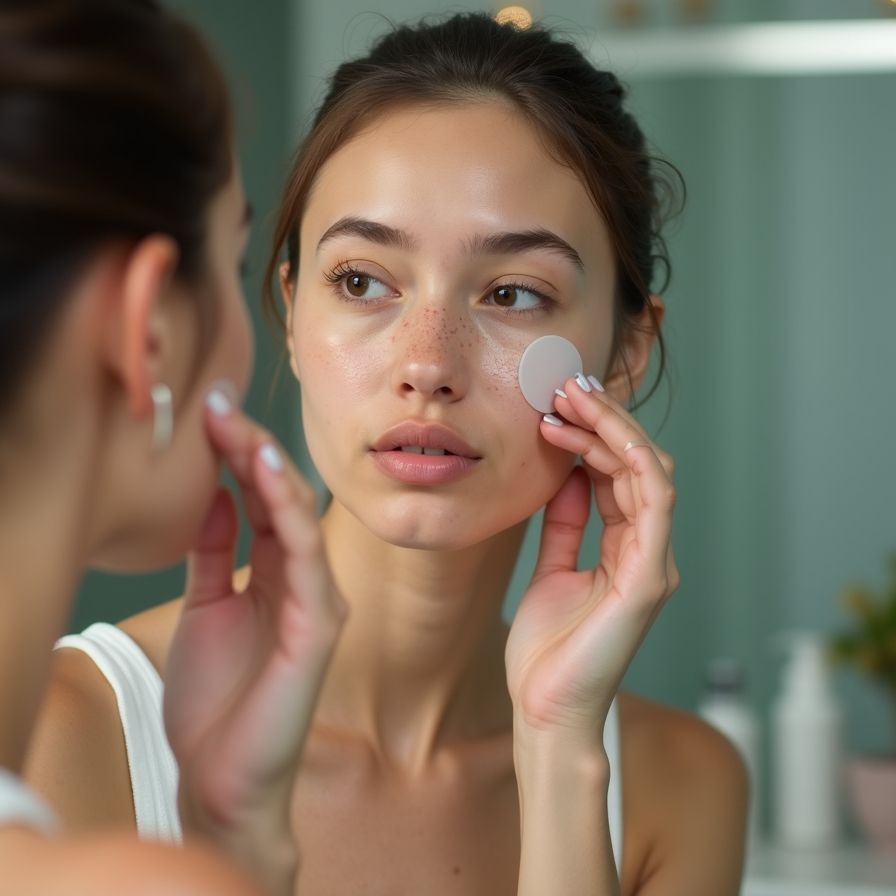
The short and simple answer is no, pimple patches don’t cause scars. They can help reduce the chances of scarring! Here’s how:
- Preventing the Urge to Pick
One of the biggest culprits of acne scars is picking at your pimples. It’s so tempting, right? But picking can make things worse by introducing bacteria and causing inflammation, leading to scarring. When you put a pimple patch on, you’re protecting the pimple from being touched, which reduces the risk of scarring and ultimately minimizes scarring. - Speeding Up the Healing Process
Pimple patches promote a moist environment around the pimple, which helps it heal faster. And the quicker a pimple heals, the less time it has to become inflamed or infected. Less inflammation means a lower chance of a scar. - Reducing Irritation
Pimple patches create a protective layer over the pimple, which helps reduce irritation from things like sweat, makeup, or even friction from touching your face. The less irritated the pimple, the less likely it is to leave a scar.
What Are Pimple Patches?
Pimple patches are little sticky stickers made from a special material called hydrocolloid. They’re designed to be placed directly on a pimple to help it heal faster.
When you apply them, they absorb excess moisture, oil, and pus from the pimple, which can help it flatten out more quickly. Plus, they act as a shield, protecting your skin from dirt and bacteria.
Some patches contain active ingredients like salicylic acid, which can help to treat the acne and speed up the healing process. While many patches are medicated, there are also non-medicated pimple patches available, which simply create a protective barrier over the pimple.
For those of us struggling with acne, these patches can be a game-changer, offering a simple yet effective way to manage acne breakouts without the need for harsh treatments.
Do Pimple Patches Work?
Now that we know they don’t leave scars, let’s discuss how well they work. Pimple patches can be incredibly effective, but it depends on the type of acne you’re dealing with. They work best on pimples that have already formed a whitehead or pustule—those that are filled with pus or fluid.
These are the pimples that benefit the most from the absorbing power of the patch. However, if you’re dealing with deep cystic acne (those painful, under-the-skin bumps), pimple patches might also not work.
Cystic pimples don’t have the same surface fluid that a patch can absorb, so you’ll likely need other treatment for acne.
How Do Pimple Patches Work to Treat Acne?
Here’s how these little patches help your skin:
- Absorbing Fluid: The hydrocolloid material in pimple patches draws out excess oil, pus, and other fluids from the pimple. This helps flatten the pimple and reduces its size, making it less noticeable and preventing acne from becoming a bigger issue.
- Creating a Moist Environment: Pimple patches help keep the skin around the pimple moist, which speeds up healing. This is a key part of why they can reduce the chance of scarring—the faster your pimple heals, the less time it has to irritate your skin.
- Protection: By placing a patch over the pimple, you protect it from dirt, bacteria, and picking fingers. This reduces the risk of infection and ensures that the pimple isn’t exposed to anything that could worsen it.
For those with sensitive skin, medicated patches with tea tree oil can provide soothing relief while actively working to reduce inflammation. However, it’s important to patch test before applying any new product to avoid irritation.
The patches deliver active ingredients directly to the blemish, ensuring the active acne is treated more effectively. They also help dirt away from pimples, minimizing the risk of further contamination.
Hydrocolloid pimple patches work particularly well for this, as they are designed to absorb and treat new acne while reducing inflammation. Just be cautious of what patches cause irritation or discomfort, and remember that pimple patches are not a one-size-fits-all solution for every type of acne.
How to Use Pimple Patches to Avoid Scarring
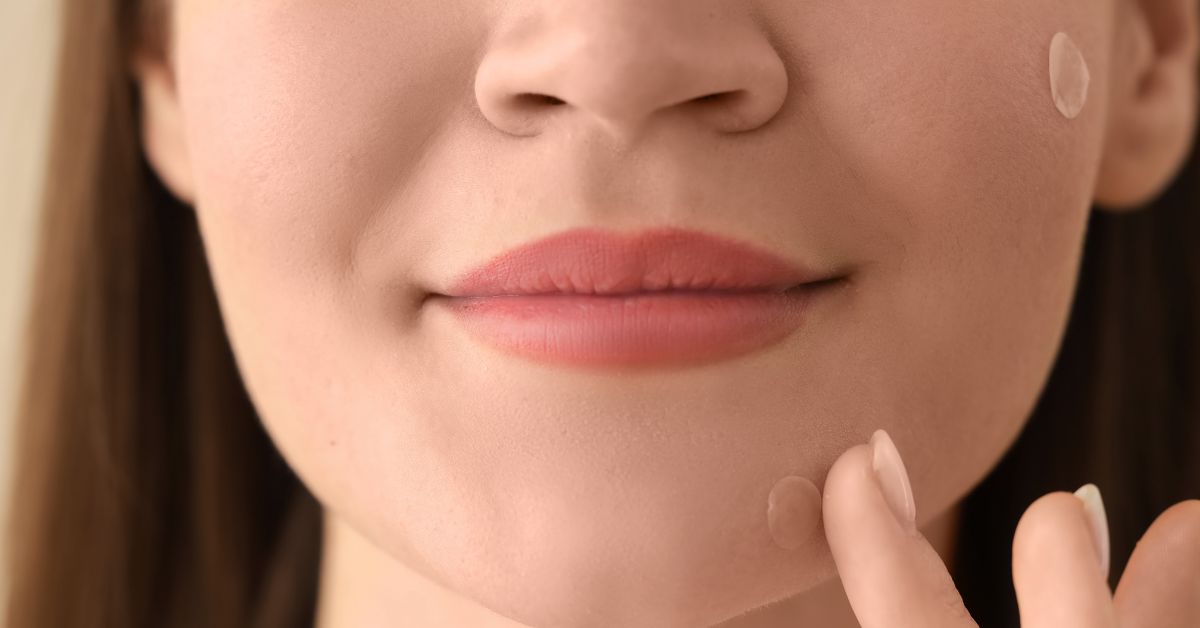
A close-up of a person applying a pimple patch to an acne spot. Pimple patches work by absorbing fluid, protecting the skin, and reducing irritation, which helps prevent scarring
If you want to use pimple patches to prevent scarring, there are a few things to keep in mind to maximize their effectiveness:
1. Clean and Dry Your Skin First
Before applying the patch, ensure your skin is clean and dry. If there’s any oil or moisture on the surface, the patch won’t stick properly, and it won’t work as effectively. Just gently wash your face and pat it dry.
2. Leave the Patch On for a While
The longer you leave the pimple patch on, the better. Try to leave it on for several hours or even overnight. This gives the patch enough time to do its job—absorbing fluid and protecting the area.
3. Don’t Pick at It
As tempting as it might be to peel the patch off early or keep touching it, it’s important to let the patch do its work. Picking at the patch can irritate the skin and make it less effective.
4. Use It Early
Apply the patch as soon as you notice a pimple forming for best results. The earlier you use it, the less chance the pimple will get inflamed and the better the chances of healing quickly without scarring.
When to Use Pimple Patches
Pimple patches are most effective when used on pimples that have already formed a head (like a whitehead). These types of pimples have visible pus or fluid, which the patch can absorb. It won’t work if you try to use a patch on a pimple that’s still under the surface (like a cyst).
You can also apply a pimple patch after popping a pimple—just make sure you’ve done so correctly and gently, and apply the patch afterwards to prevent infection and help speed up healing.
How to Treat Pimple Marks
If you’ve got pimple marks or scars left from previous breakouts, there are ways to fade them:
1. Use Vitamin C
Vitamin C is great for brightening up your skin and fading dark spots. Look for serums or creams that contain a good concentration of Vitamin C, and apply them to your pimple marks.
2. Exfoliate Gently
Exfoliating helps remove dead skin cells and can speed up the turnover of new skin. This can help fade pimple marks over time. But remember—be gentle! Harsh exfoliation can irritate your skin and make things worse.
3. Wear Sunscreen
Sun exposure can make pimple marks even darker, so be sure to protect your skin with sunscreen every day. Not only does sunscreen help prevent further discoloration, but it also protects your skin from UV damage.
4. Consider Professional Treatments
If your pimple marks are persistent, you might consider professional treatments like chemical peels or laser therapy. These can help improve skin texture and fade scars faster. Check with a dermatologist for the best options for you.
FAQs
Do Pimple Patches Leave Holes?
No, pimple patches don’t leave holes. They’re meant to promote healing, protect the skin, and not cause damage. They can help the pimple heal without causing any permanent marks.
What Should I Do After Removing a Pimple Patch?
Once you remove the patch, gently cleanse your skin and apply a soothing moisturizer. If you have any acne treatments you use, this is a good time to apply them, too.
Do Pimple Patches Work on Un-popped Pimples?
Pimple patches are most effective on pimples that have already come to a head (like whiteheads). The patch won’t be as effective if a pimple is still deep under the skin. However, it’s worth a try once the pimple starts to form.
Should I Put a Pimple Patch on a Popped Pimple?
Applying a pimple patch after popping a pimple can help protect the area from bacteria and speed up healing. Just make sure you’ve gently cleaned the area first.
How Can I Prevent Scarring After Using a Pimple Patch?
To prevent scarring, avoid picking or squeezing your pimples, use pimple patches early, and follow up with a gentle skincare routine that includes Vitamin C and sunscreen.
So, do pimple patches leave scars? The answer is no—when used correctly, they help prevent acne scars by keeping the skin protected and promoting faster healing.
Summary
So, do pimple patches leave scars? The answer is no—when used correctly, they help prevent acne scars by keeping the skin protected and promoting faster healing. If you’re worried about acne marks, using pimple patches early can make a significant difference. The key is to use them correctly—apply them to clean, dry skin, leave them on for a few hours, and resist the urge to touch or pick at the patch.
If you already have pimple marks, try using Vitamin C, exfoliating gently, and wearing sunscreen to help fade them over time. By using pimple patches properly and following a good skincare routine, you’ll be on your way to clearer, scar-free skin in no time!
Recent Post

The Best Loose Leaf Teas for Energy, Sleep, and Stress Relief
If you’re looking for a natural way to feel more awake in the morning, calm your nerves after a long…
Elixir RX

Does Vitamin C Help Acne? Benefits, Tips, and How to Use
Vitamin C, ascorbic acid, is a naturally occurring antioxidant in foods like oranges, strawberries, and spinach. In skincare, it’s praised…
Elixir RX

10 Health Benefits of Loose Leaf Tea You Need to Know
Loose leaf tea has a way of turning an ordinary moment into something calming and intentional. When you brew it,…
Elixir RX